English USA
 English Europe

 Finnish
 Norwegian
 German
 French

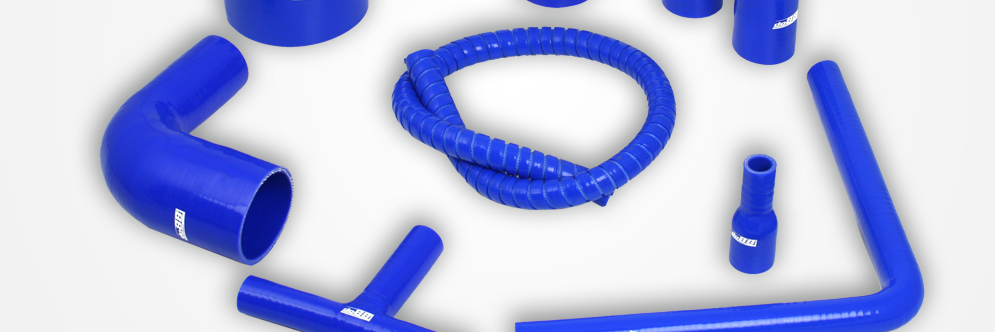 Silikonslang Blå
 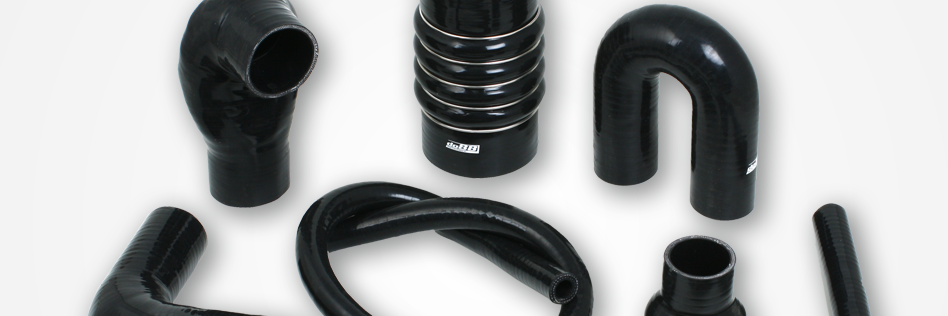 Silikonslang Svart
 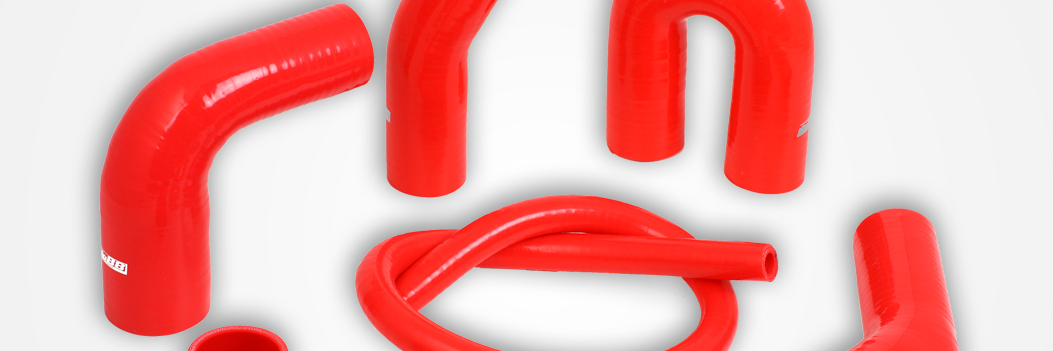 Silikonslang Röd
 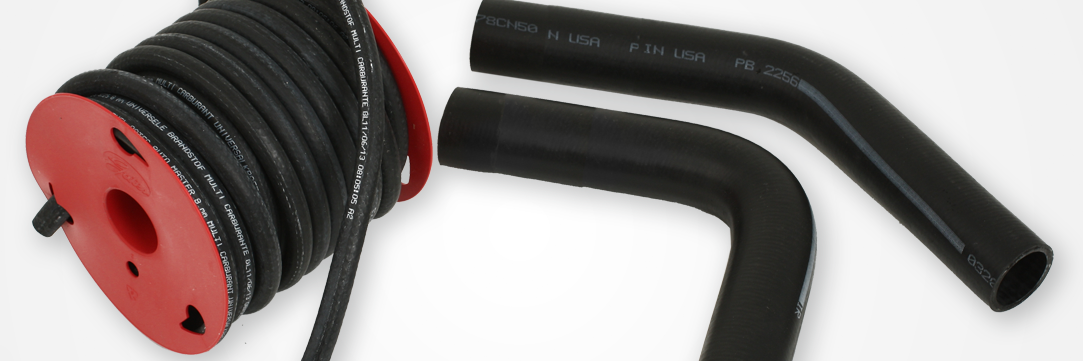 Bränsleslang
 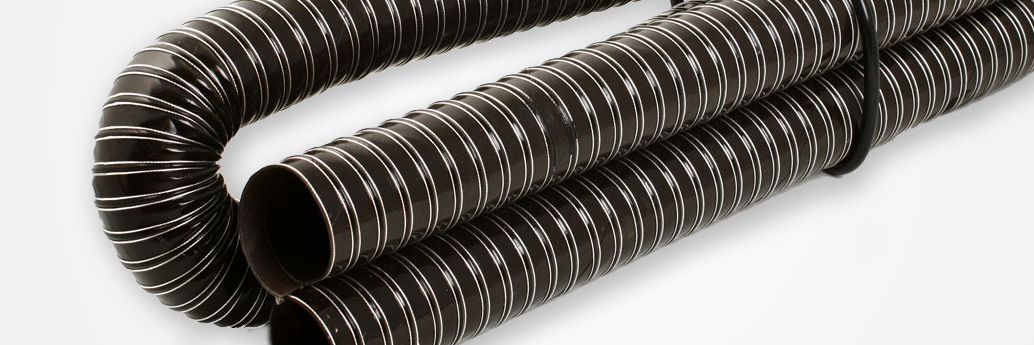 Luftslang
  Slangkopplingar
  Slangklämmor och tillbehör
  Skarvhylsor för slang
  Svetsnippel Alu
  Slanguttag
  Plugg
Plugg  Silikonhattar
  Backventil
 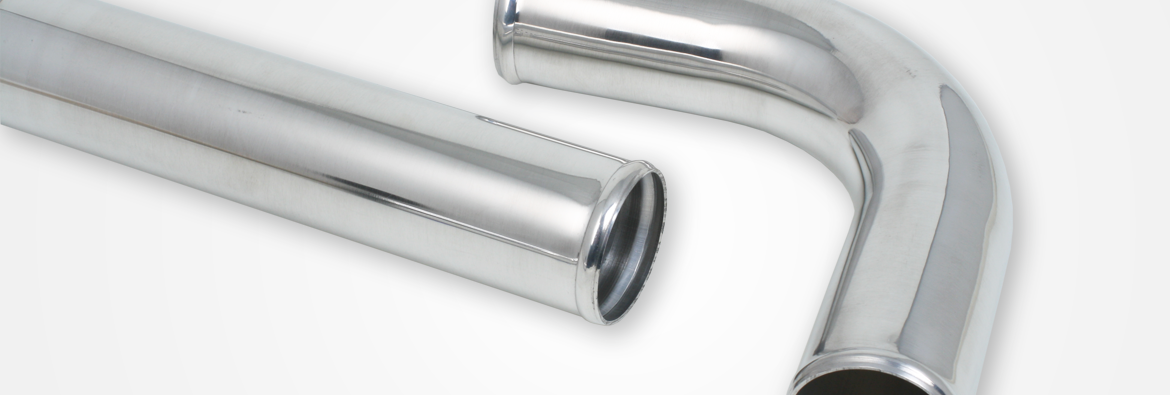 2mm godstjocklek, Polerade
 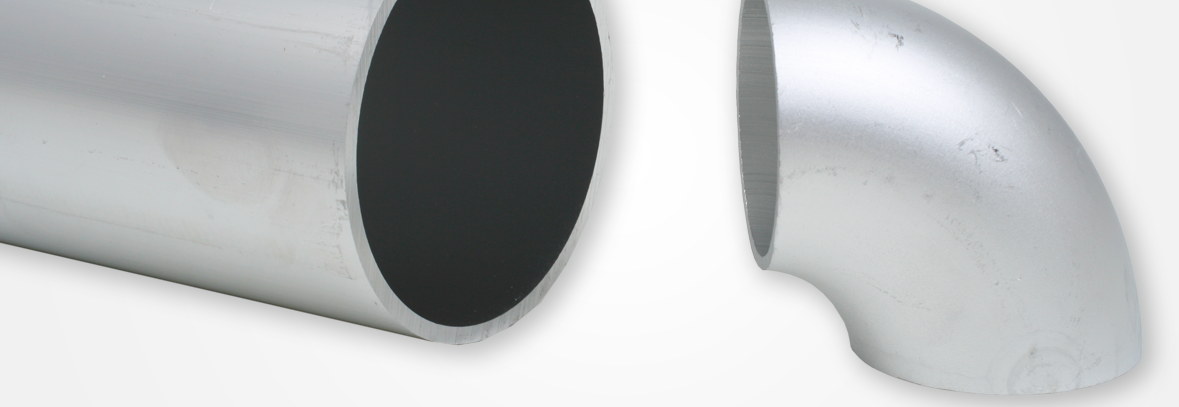 3mm väggtjocklek
 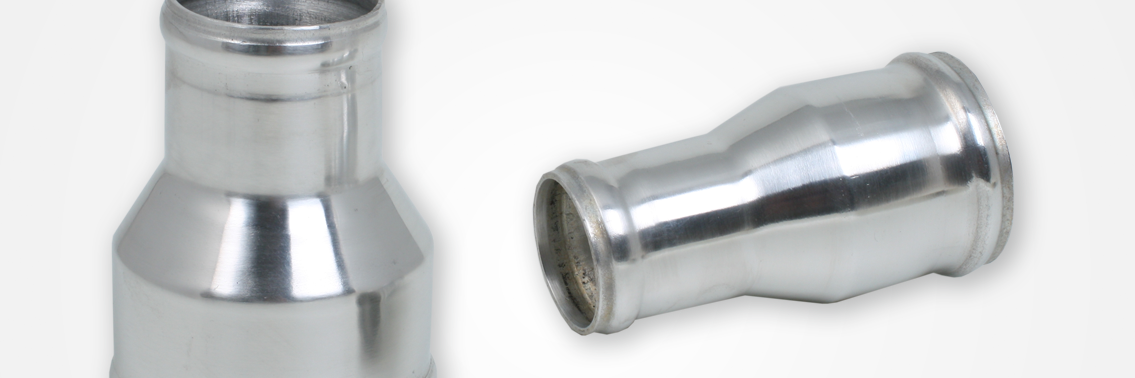 Reducering
 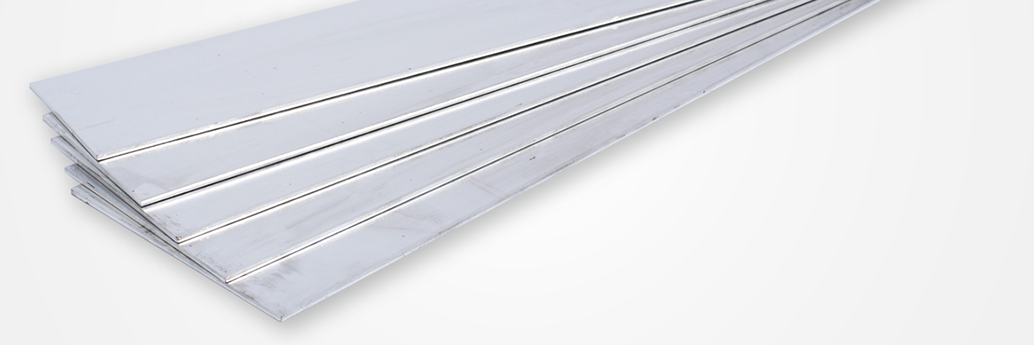 Aluminiumplåt
  Alpine
  Audi
Audi  BMW
BMW  CUPRA
CUPRA  Ford
Ford  Mazda
Mazda  Opel
Opel  Porsche
  Saab
Saab  Seat
Seat  Skoda
Skoda  Suzuki
  TOYOTA
  Volvo
Volvo  VW
VW 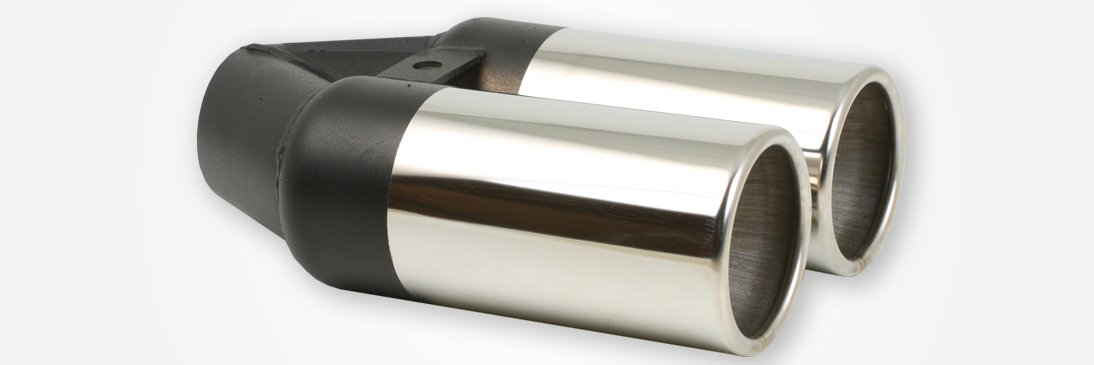 Avgasdelar
 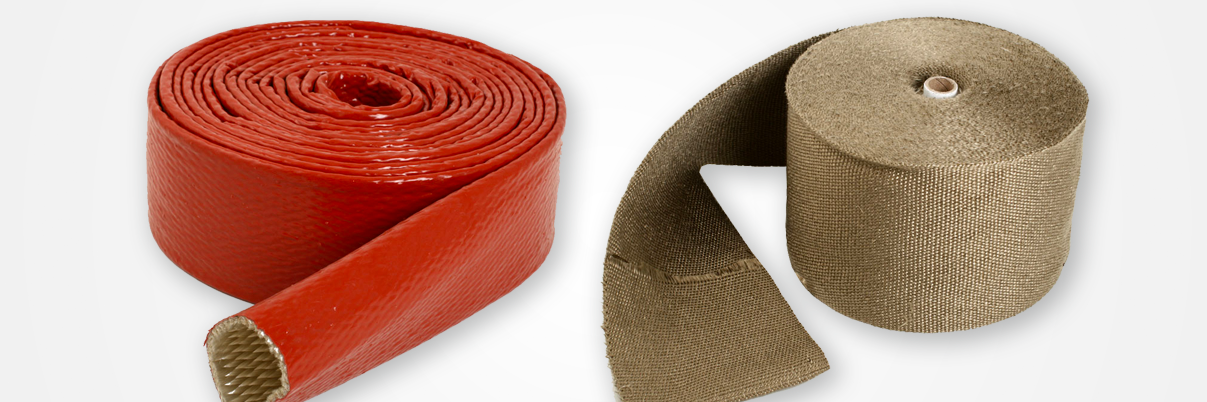 Värmeskydd
 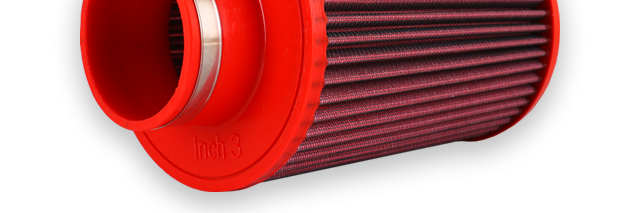 Luftfilter
 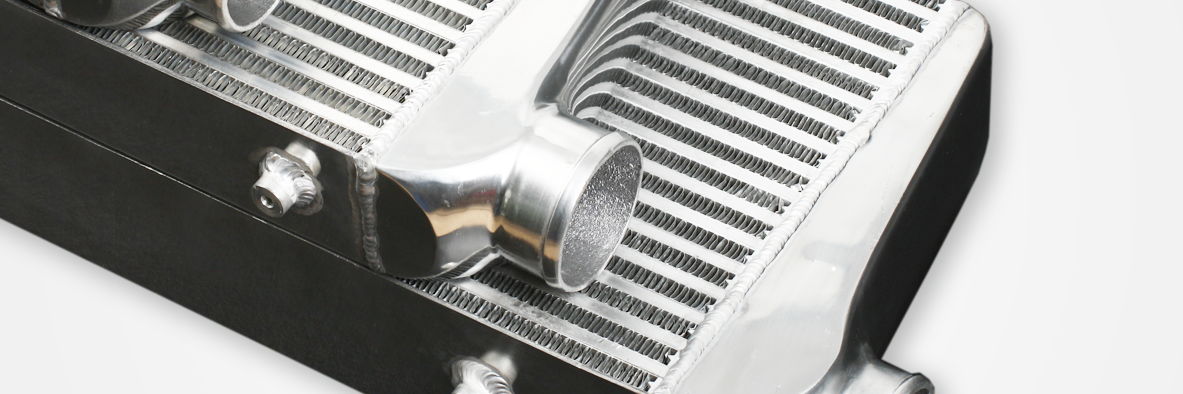 Intercooler universal
 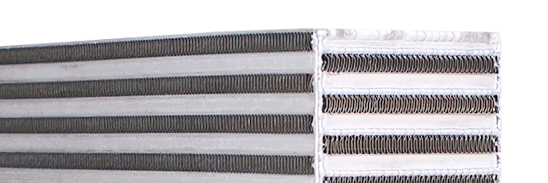 Garrett Intercooler Cellpaket
 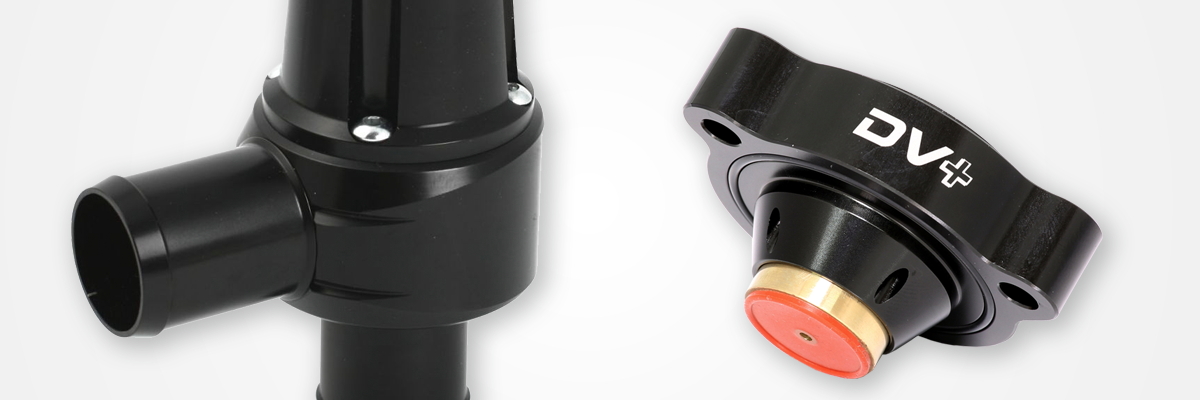 Dumpventiler / Laddtrycksstyrning
 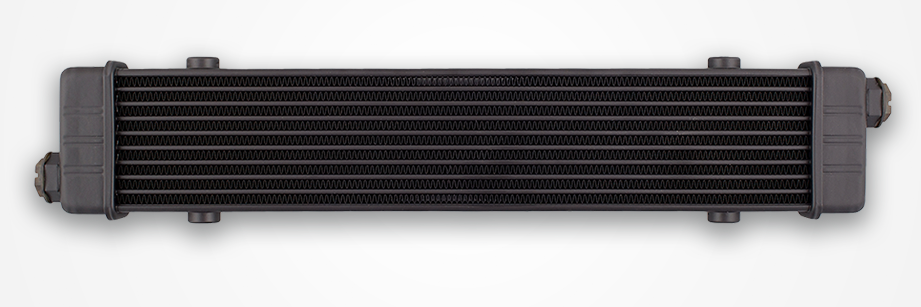 Oljekylare
  Dumpventiler / Wastegate, Utförsäljning
 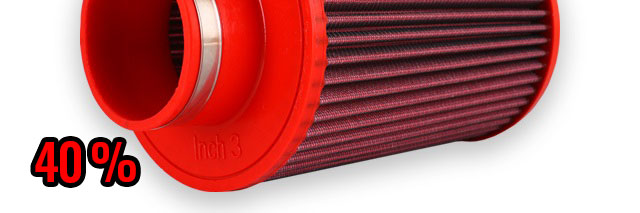 Luftfilter, Utförsäljning
 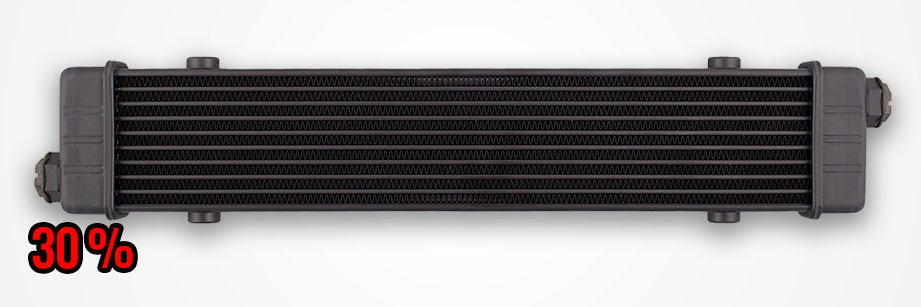 Oljekylare, Utförsäljning
  Slangklämmor, Utförsäljning
 Intercooler comparison | drop-in vs FMIC
This test was conducted on a Saab 9-3 V6 Aero (2006) to determine which type of intercooler upgrade performs best on a car equipped from the factory with a full-size intercooler positioned between the AC condenser and the radiator.
Is a full-size performance intercooler in the stock location better, or a front-mounted intercooler (FMIC) positioned in the lower front grille?
There is a common notion that an FMIC is superior to a full-size drop-in solution in terms of performance, that the positioning of the intercooler is the primary factor, rather than its actual size or core properties. We have long considered this to be a dubious generalization, but without solid data to support our claim, not every customer has taken our word for it.
So it was time to put this to the test, while developing parts for the SAAB 9-3, both V6 and 2.0T. Since we were already doing performance tests for these parts, we took the opportunity to perform an FMIC comparison as well.
To start from the beginning, with all the facts presented, here are some key factors that influence the results:
The car: SAAB 9-3 Aero - V6 (2006)
Mods: do88 intercooler, inlet piping, intercooler piping, air filter guide, AEM filter, 19T turbo, pre-cat delete, and custom software (1.1 bar).
Gear: All data was recorded using an AIM MXL Pista device with separate Bosch high-quality motorsport sensors.
Conditions: The tests were performed over two consecutive days with identical ambient temperatures (23°C / 73.4°F) on a closed airstrip.
How:
The tests were executed as follows: full throttle acceleration from 40–200 km/h, followed by heavy braking back down to 40 km/h, and then immediately accelerating again to 200 km/h.
Each test consists of two consecutive full-load pulls. This method evaluates how well the intercoolers recover when they are not allowed to rest and cool down between runs.
What matters?
What produces the best combustion and therefore the best performance is cold air in the largest possible quantity. Cold air has a higher density than warm air, and high airflow is of little value if the air reaching the intake is hot.
In other words:
- A straight pipe will flow better than any intercooler, but it provides no cooling.
- A core that is too dense may offer excellent cooling but restrict airflow to the intake.
Additionally, tank design is crucial for any intercooler, regardless of its size or internal construction.
There is much more to say about this, but with these fundamentals in mind, we can better interpret the results below.
Test results:
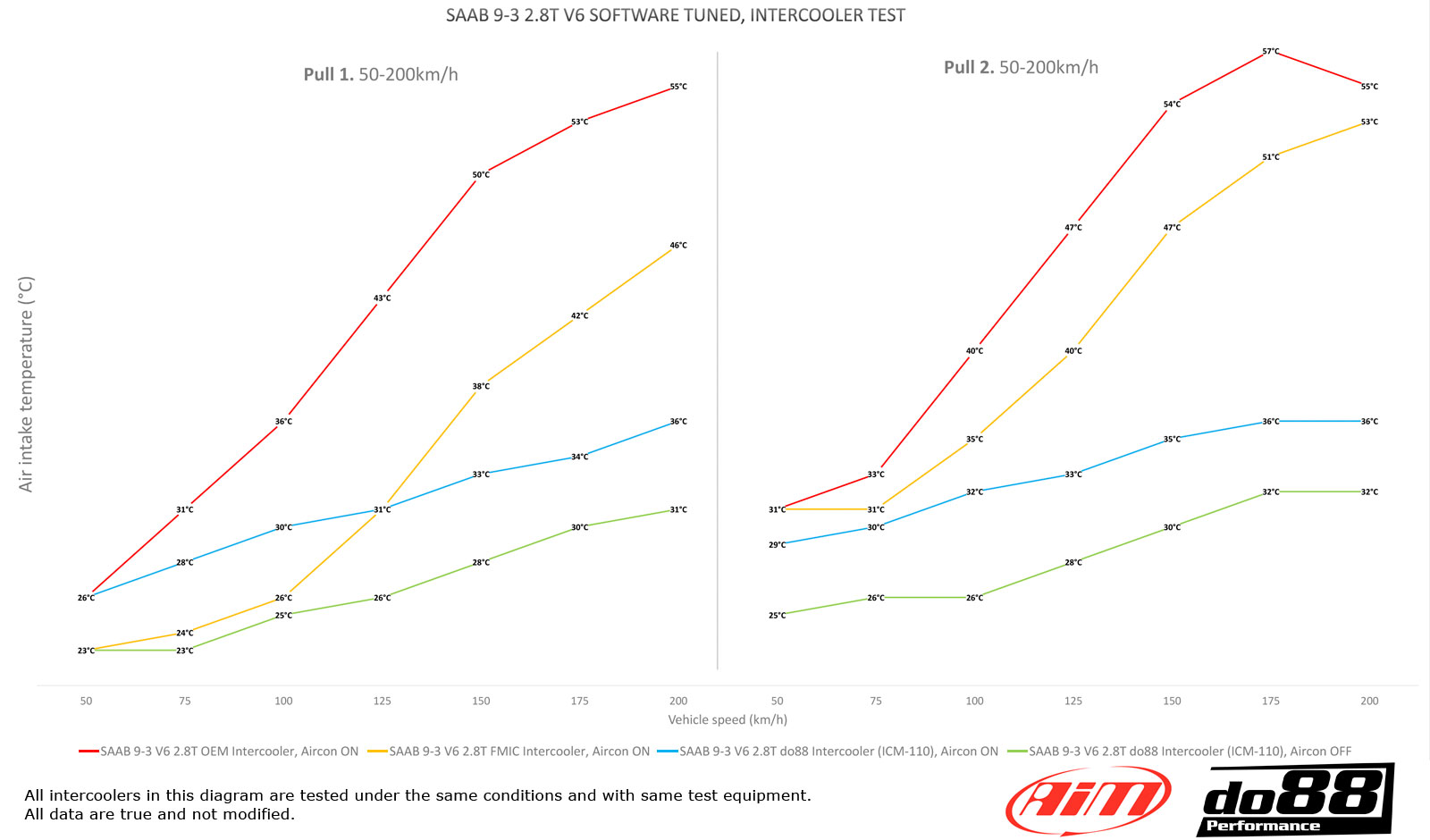
Among the tested configurations, the OEM intercooler shows the worst cooling performance.
The FMIC provides better cooling initially, but it clearly suffers from heat soak. During the second run, intake air temperatures (IAT) nearly match those of the OEM intercooler.
The do88 intercooler, despite being fully exposed to heat from the AC condenser operating at maximum load, matches the FMIC’s IAT at approximately 125 km/h and then continues to perform better.
During the second pull (immediately following the first), the do88 intercooler maintains significantly lower temperatures than the FMIC throughout the entire run. At 200 km/h, the difference reaches 30°F (17°C) in IAT.
Importantly, during this entire run, the AC system was set to maximum cooling. This means the model-specific intercooler was continuously exposed to heat from the AC condenser yet still outperformed the FMIC by a substantial margin.
With the AC completely turned off, the performance difference becomes even greater.
Airflow performance:
So far, we have only discussed cooling performance. What about airflow?
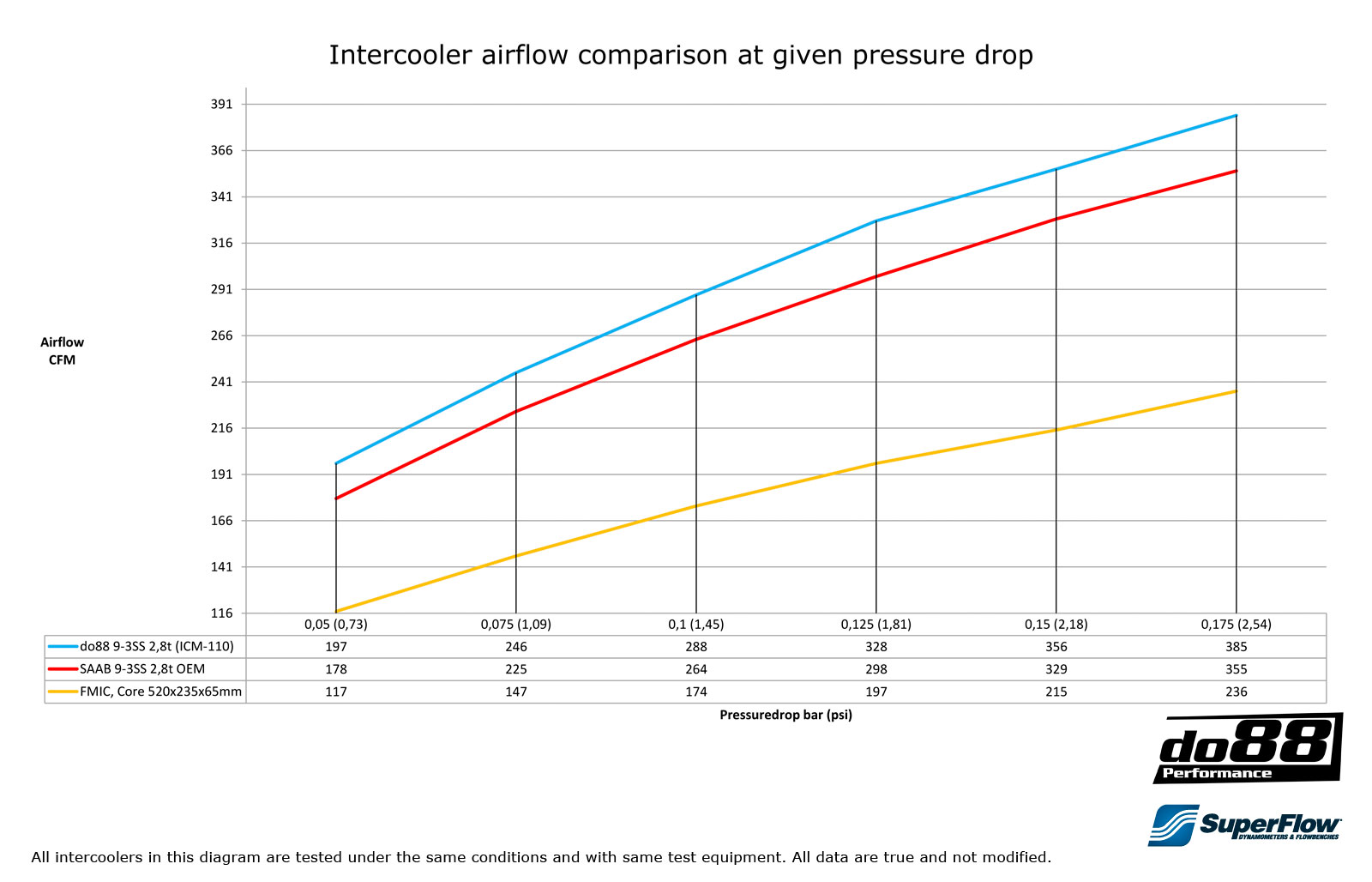
All three intercoolers were tested in a Superflow SF-1020 flow bench. By applying various pressure drops, we obtained reliable airflow data for each unit.
Results:
- The FMIC delivers 50% less airflow than the OEM intercooler.
- The do88 intercooler delivers 63% more airflow than the OEM intercooler.
This is a significant improvement.
In real-world driving, the car feels noticeably slower and more laggy with the FMIC compared to the stock setup. This raises a valid question: is this FMIC actually an upgrade over stock at all?
Conclusion:
What truly matters is volume and quality. Tank design is critical, and so is the core.
The tanks on this universal FMIC are not inherently poor, but the core cannot compete. Furthermore, there is no way around one fundamental limitation: the cross-sectional area exposed to ambient airflow.
To be clear: there is no way around cross-sectional area.
Yes, an intercooler of the same size as the do88 or OEM unit would likely perform slightly better if mounted at the front of the car. The difference observed with the AC on versus off confirms that heat transfer from the condenser does have an impact.
Therefore, the optimal configuration in this test would be to place the do88 intercooler in the FMIC position.
However, there is one problem, it simply will not fit. Not even close.
The installed do88 intercooler is already the largest unit that can be fitted without modifying or damaging the car. It is possible to fit a larger intercooler if you are willing to cut and reroute AC lines and make other modifications. In that case, you would likely achieve performance similar to what the do88 intercooler already delivers in this setup.
Closing thoughts:
We conducted these tests ourselves. Some may argue that we could have adjusted the results in our favor or deliberately chosen a poorly performing FMIC to exaggerate the difference.
And yes, we had the opportunity to do so. And yes, there may be FMIC configurations that perform somewhat better than the one tested here.
However, we stand by our data as always and don't have anything to hide. These tests can be replicated by anyone.